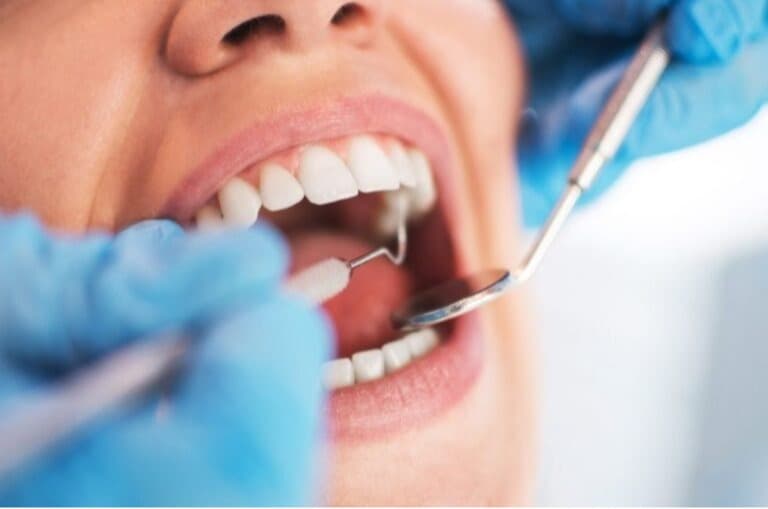
Periodontitis: The silent tooth killer
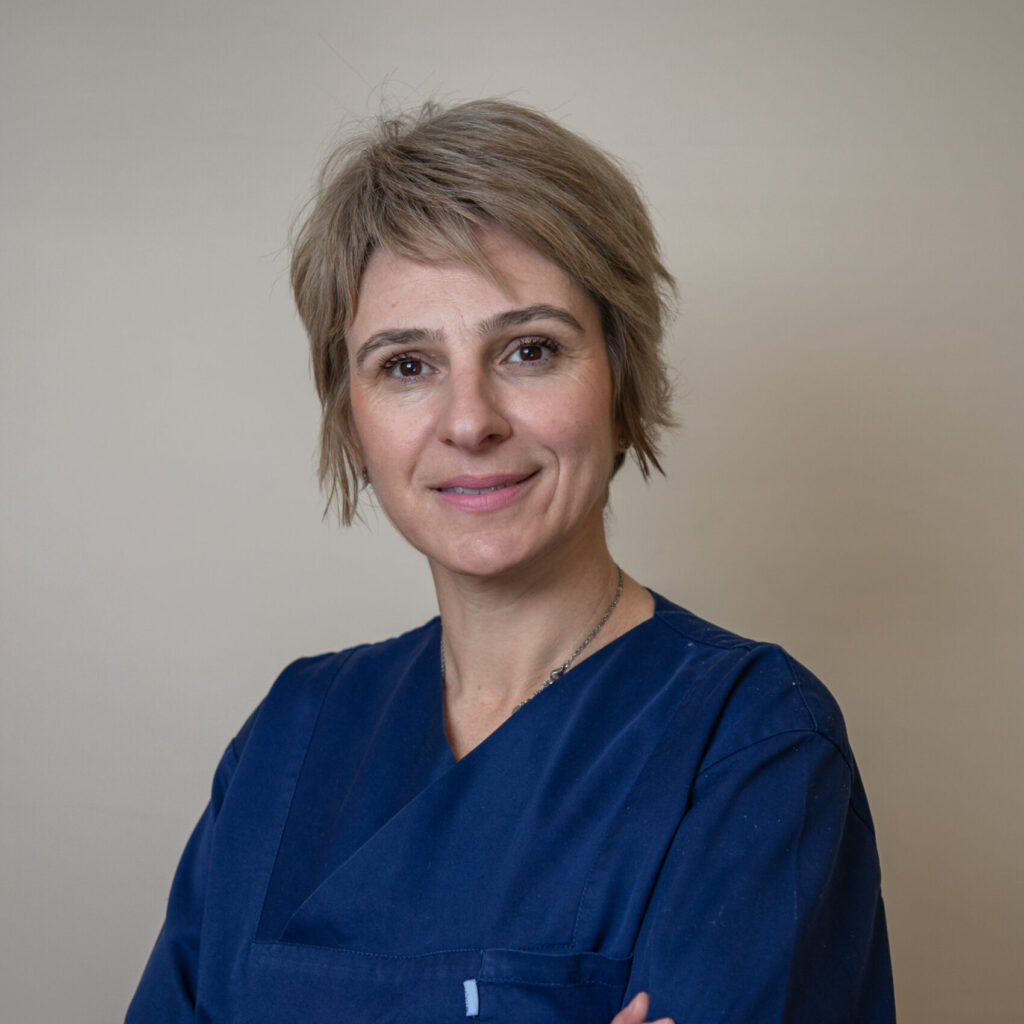
Interview with Dr. Ana Lakić Bulatović, periodontology specialist
Periodontitis is a disease of modern man that affects 90% of the adult population and is the main cause of tooth loss. To better understand this disease, we spoke with Dr. Ana Lakić Bulatović, a periodontology specialist at the Apolonia+ Rašović clinic, who will acquaint us with the causes, symptoms, and therapy of periodontal diseases.
-
To begin with, what is periodontitis?
Dr. Lakić Bulatović: Periodontitis is a complex disease of the supporting apparatus of the tooth in which all periodontal tissues are affected, including the gums, alveolar bone, periodontium, and root cementum of the tooth. It is a disease that affects 90% of the adult population and is the main cause of tooth loss. Therefore, it is often considered a "silent killer of teeth".
-
How can a patient recognize the symptoms of periodontitis?
Dr. Lakić Bulatović: Symptoms include inflammation of the gums, gum recession revealing the roots of the teeth, periodontal pockets, purulent exudate in the periodontal pocket, subgingival dental calculus, loosening of teeth, and pathological migration of teeth. If a person notices any of these symptoms, it is important to see a dentist in time.
-
How is periodontitis treated?
Dr. Lakić Bulatović: Periodontitis therapy is carried out in four phases: the causal phase of therapy (ultrasound removal of hard deposits on the tooth, curettage, and rinsing of periodontal pockets), the surgical or laser phase of therapy, the phase of establishing favorable occlusal relationships, and the phase of maintaining the achieved therapeutic results, early detection, and therapy of disease recurrence.
-
What does laser therapy look like at the Apolonia+ Rašović clinic in the case of periodontal diseases?
Dr. Lakić Bulatović: Diode laser in dentistry is an innovative technology used to treat many oral diseases. It is recommended because it is an effective, precise, and painless way to remove damaged tissue and disinfect infected gum areas. Thanks to the diode laser, treatments become less invasive and much more comfortable for the patient. It is used in cases when the patient has enlarged gums, deep periodontal pockets, growths on the soft tissue in the mouth... These are just some of the problems in which the diode laser has proven to be a good choice in our clinic. A popular application of laser is also in the clinical extension of the crown (gummy smile), removal of lingual and labial frenulum, i.e., lip and tongue tie without a classic surgical cut. A shortened lingual frenulum in children restricts tongue movements and can result in difficulty pronouncing certain sounds (L, R), while a thick and pronounced upper lip frenulum can create a gap between the upper central incisors and complicate the child's orthodontic therapy.
-
How can periodontitis be prevented?
Dr. Lakić Bulatović: Proper and regular oral hygiene, a healthy diet, as well as regular dental check-ups can prevent and slow down the course of the disease. The general advice of doctors, in this case, is that it is always better to invest in health than in disease. The diode laser in dentistry is an innovative technology used to treat many oral diseases. It is recommended because it is an effective, precise and painless way to remove damaged tissue and disinfect infected gum areas.